
Digital Substations and the Future of Grid Modernisation
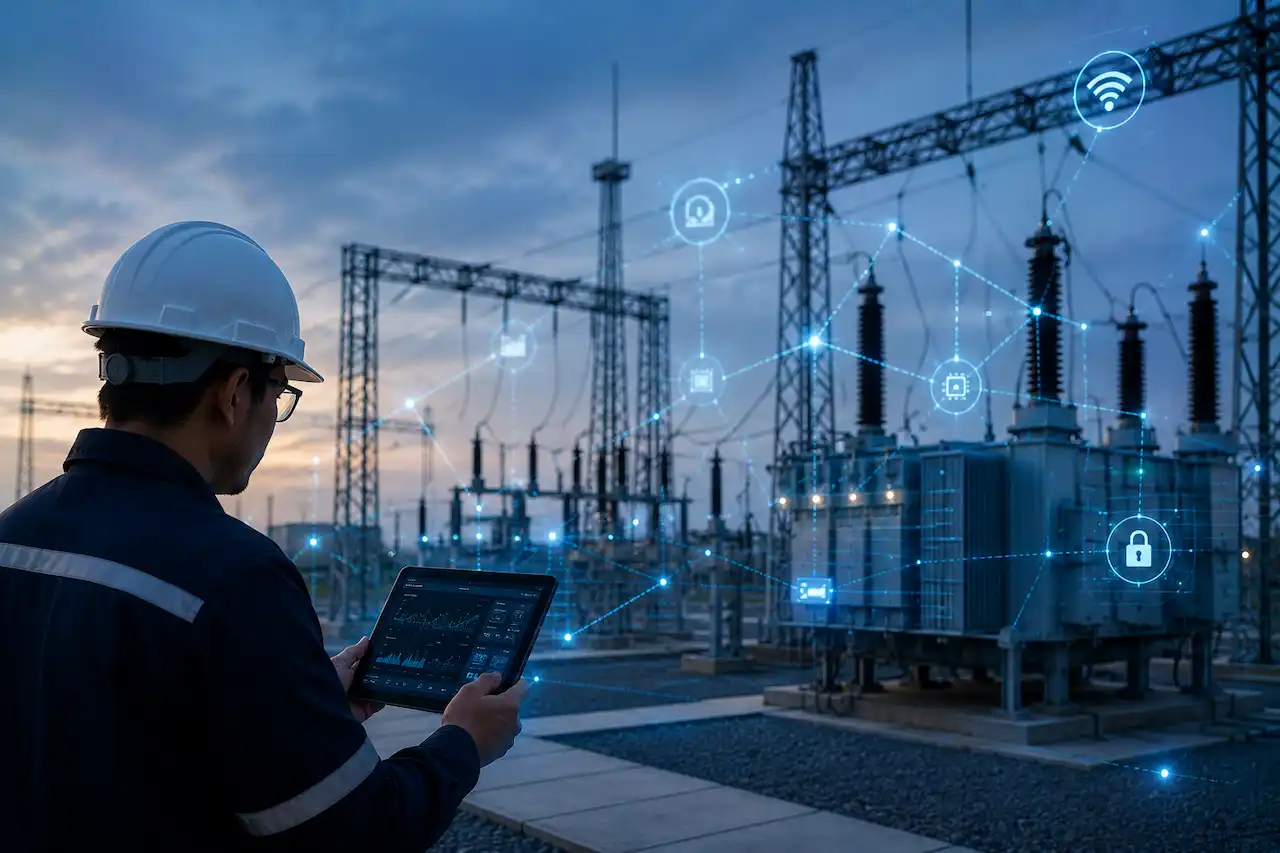
Modern power systems are changing rapidly. Renewable energy generation, battery storage, distributed energy resources, and increasing electricity demand are creating new challenges for transmission and distribution networks. Traditional substations were designed around conventional electrical equipment and hardwired communication systems, but the future grid requires faster access to data, greater automation, and more flexible control.
Digital substations are becoming an important part of this transition. By using digital communication technologies and intelligent electronic devices, they can improve how information is collected, shared, and used across the power system. For utilities, EPC contractors, developers, and grid operators, digital substations represent more than a technology upgrade. They can support improved system monitoring, faster fault analysis, more efficient engineering, and greater flexibility as power networks continue to evolve.
This article explains what digital substations are, how they work, and why they are expected to play an important role in the future of grid modernisation.
What Is a Digital Substation?
A digital substation is a substation that uses digital communication systems to exchange information between protection, control, monitoring, and automation equipment. Traditional substations rely heavily on copper wiring to transfer signals between equipment. For example, current transformers, voltage transformers, protection relays, circuit breakers, and control systems may be connected through large numbers of physical cables.
A digital substation replaces some of these traditional signal connections with digital communication networks. Information from field equipment can be converted into digital data and transmitted between intelligent devices through a communication network. This allows protection and control systems to exchange information more efficiently.
Need Engineering Support for Your Power Project?
American Power Engineers delivers power system studies, substation design, renewable energy engineering, BESS projects, NERC compliance, MEP engineering, and POI interconnection services.
Explore Our Engineering ServicesA digital substation does not necessarily mean that every part of the facility is completely digital. Primary electrical equipment such as transformers, circuit breakers, and disconnectors still perform their physical functions. The main difference is in how operational information is measured, communicated, processed, and used.
Why Digital Substations Are Important for Grid Modernisation
Grid modernisation requires power systems to become more flexible and responsive. Traditional networks were primarily designed around large centralised power stations that delivered electricity through predictable transmission and distribution systems. Today, the grid must manage electricity from solar farms, wind farms, battery energy storage systems, and other distributed resources. These changes create a greater need for accurate information and faster coordination.
Digital substations can support grid modernisation by improving access to operational data and enabling more advanced automation. They can help utilities and operators understand system conditions more clearly and respond more effectively to changing network behaviour. The main benefits can include:
- Improved monitoring and visibility
- Faster communication between intelligent devices
- Reduced dependence on extensive hardwired connections
- Greater flexibility for protection and control systems
- Improved access to operational and event data
- Support for advanced automation and grid management
As power systems become more complex, the ability to collect and process information quickly becomes increasingly important.
The Main Components of a Digital Substation
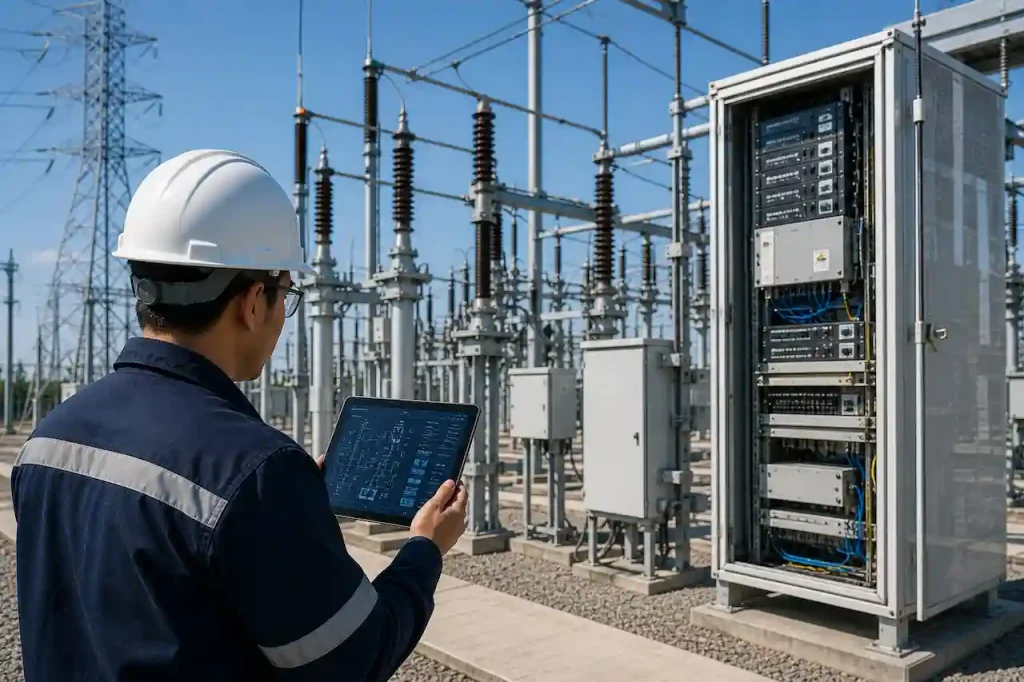
A digital substation combines primary electrical equipment with intelligent monitoring, protection, control, and communication technologies. Several components work together to create the overall digital environment.
Intelligent Electronic Devices
Intelligent electronic devices, commonly referred to as IEDs, play an important role in digital substations. These devices can perform functions such as protection, control, measurement, monitoring, and automation.
Planning a Solar, Wind, BESS, or Grid Interconnection Project?
Our engineering team helps project owners, developers, utilities, and facility teams move from technical planning to reliable project execution.
View Engineering ServicesA protection relay, for example, can receive electrical measurements, identify abnormal conditions, and initiate a trip command when required. In a digital environment, the same device may also exchange information with other protection and control systems through the communication network.
IEDs allow different parts of the substation to share operational information more effectively.
Digital Communication Networks
The communication network acts as the connection between different intelligent devices. Instead of relying entirely on individual hardwired signal connections, digital information can be exchanged through network infrastructure. This allows multiple devices to communicate using a structured system architecture.
Reliable network design is essential because protection and control functions may depend on accurate and timely communication. Network configuration, redundancy, cybersecurity, and communication performance must therefore be considered carefully during engineering and commissioning.
Merging Units
Merging units are used in some digital substation architectures to convert analogue signals into digital information. Traditional current and voltage transformers produce analogue electrical signals. A merging unit can process these signals and make the information available to protection and control devices through a digital communication system.
This can reduce the need for separate physical wiring between every measurement source and every protection device. However, the digital communication architecture must be designed carefully to ensure that the correct data is available where and when it is needed.
Protection and Control Systems
Protection and control systems remain critical to safe and reliable power system operation. Digital substations can allow these systems to exchange information through communication networks rather than relying only on direct hardwired connections.
Protection engineers must verify that digital communication does not compromise the reliability or performance of critical protection functions. Testing must confirm that devices receive the correct information, operate according to approved settings, and communicate correctly with other systems.
How Digital Substations Differ from Traditional Substations
The main difference between a traditional and digital substation is how information moves between systems. In a conventional substation, large numbers of copper cables may connect field equipment to protection panels, control rooms, and monitoring systems. Each signal often requires a physical connection. Digital substations use communication networks to transfer a greater proportion of this information.
This can simplify some parts of the physical infrastructure, but it also introduces new engineering requirements.
For example, a traditional wiring issue may be visible through physical inspection and electrical testing. In a digital system, a communication problem may involve network configuration, device settings, data mapping, communication protocols, or timing systems.
The focus therefore shifts from managing only physical connections to managing both physical and digital interfaces. This requires close coordination between electrical, protection, control, SCADA, and network engineering teams.
The Role of IEC 61850 in Digital Substations
IEC 61850 is an important standard associated with modern substation automation and communication systems. It provides a framework for communication between intelligent devices used in electrical substations.
The standard supports a more structured approach to how information is represented and exchanged between different systems. This is particularly important when equipment from multiple suppliers is used within the same substation.
IEC 61850 can support several important aspects of digital substation integration, including:
- Communication between intelligent electronic devices such as protection relays and controllers
- Improved interoperability between equipment from different manufacturers
- Structured data exchange across substation automation systems
- Integration of protection, control, and SCADA systems
- More flexible communication architectures for modern grid infrastructure
Without effective communication standards, integrating protection relays, controllers, SCADA systems, and other intelligent devices can become more difficult. However, successful implementation still depends on correct engineering and configuration. The standard alone does not guarantee that a system will operate correctly. Engineers must verify:
- Interfaces between different equipment and systems
- Device configurations and communication settings
- Communication paths between connected systems
- Signal mapping and data exchange
- Protection and control logic
Improved Protection and Control Capabilities
Digital technology can provide protection and control systems with greater access to information. Traditional protection systems often operate within defined physical wiring arrangements. Digital communication can allow protection devices to share relevant information across the substation architecture. This can support more advanced protection and automation strategies.
However, protection remains a critical engineering discipline. Any digital system used for protection functions must provide the required level of reliability and performance. Accurate power system studies can also provide important engineering information for evaluating protection performance and wider system behaviour. Protection engineers may need to verify:
- Device configurations and protection settings
- Digital measurement signals
- Communication paths between devices
- Trip and control logic
- Time synchronisation
- Backup and redundancy arrangements
A digital architecture can improve flexibility, but it also increases the importance of detailed engineering and systematic testing.
Digital Substations and Renewable Energy Integration
The growth of renewable energy is one of the major drivers of grid modernisation. Solar farms, wind farms, and battery energy storage systems introduce new patterns of power generation and control. Unlike conventional power stations, many renewable energy facilities rely heavily on power electronic equipment and plant-level control systems. Digital substations can support the integration of these resources by improving communication and operational visibility.
For example, operators may need access to real-time information about plant output, voltage conditions, reactive power, equipment status, and control system performance.
A modern digital communication environment can help different systems exchange this information more effectively. This does not eliminate the need for detailed grid engineering.Renewable energy projects must still meet applicable grid interconnection engineering requirements and technical requirements. Digital substations can provide part of the infrastructure needed to support more advanced monitoring and control.
Supporting Greater Grid Automation
Grid automation allows parts of the electrical network to respond more quickly to changing conditions. Digital substations can provide the communication and data infrastructure needed for these advanced functions. Automation may support activities such as fault detection, equipment monitoring, switching operations, and system restoration.
As the grid becomes more complex, manual operation alone may not always provide the speed or visibility required to manage every system condition efficiently. Digital technologies can support faster decision-making by providing operators with more accurate information. However, automation must be carefully engineered.
Incorrect control logic or communication failures can create significant operational risks. Automated functions should therefore be tested thoroughly before they are placed into service.
Better Monitoring and Asset Management
Digital substations can provide improved access to equipment and operational data. This information can support condition monitoring and long-term asset management. For example, utilities may collect information related to:
- Equipment operating status
- Electrical measurements
- Alarm conditions
- Protection events
- Circuit breaker operations
- Communication system performance
This wider approach to system performance and operational monitoring is an important part of power systems engineering. Instead of relying only on periodic inspections, asset owners may be able to identify developing issues through operational data. This can support more informed maintenance decisions and help reduce the risk of unexpected equipment failures.
The value of this approach depends on the quality of the information collected. Poor data configuration or incorrect signal mapping can reduce confidence in the monitoring system.
Reducing Physical Wiring Requirements
One potential advantage of digital substations is the reduction of some conventional copper wiring. Traditional substations can require extensive cabling between field equipment and protection and control panels. Digital communication can reduce the number of individual signal connections required in certain parts of the system. This may provide benefits during engineering and construction.
Less physical wiring can reduce installation complexity, but digital systems introduce additional requirements for network design and configuration. The project team must consider:
- Communication network architecture
- Device connectivity
- Network redundancy
- Cybersecurity
- Signal configuration
- System timing
- Testing and commissioning requirements
Digitalisation does not simply remove engineering complexity. In many cases, it changes where that complexity exists.
The Importance of Time Synchronisation
Accurate timing is particularly important in digital substations. Different devices may record events, measurements, alarms, and protection operations. If these systems do not share an accurate time reference, analysing an electrical event can become difficult. Time synchronisation helps ensure that recorded information can be compared accurately.
For example, following a network disturbance, engineers may need to understand the exact sequence of events.
Protection relays, circuit breakers, SCADA systems, and other devices may all record information. Accurate time synchronisation can help engineers determine what happened and in what order. This is particularly valuable during fault investigations and commissioning. Time synchronisation systems must therefore be included in the wider engineering and testing strategy.
Cybersecurity Challenges in Digital Substations
Greater connectivity can provide operational benefits, but it also introduces cybersecurity considerations. Traditional substations were often based primarily on isolated physical systems. Digital substations rely more heavily on communication networks and connected devices. This means cybersecurity must be considered during system design and throughout the operating life of the facility. Security considerations may include:
- Network access control
- Device authentication
- System segmentation
- Secure communication practices
- User access management
- Monitoring of network activity
- Software and firmware management
Cybersecurity should not be treated as an issue that is addressed only after the substation has been commissioned. Security requirements should be considered during the engineering stage because they can affect network architecture and equipment configuration.
Challenges During Digital Substation Commissioning
Digital substations can create new commissioning challenges because multiple technical disciplines must work together. A communication issue may involve protection settings, network configuration, device mapping, or SCADA integration. This can make troubleshooting more complex.
Some common challenges include:
- Incorrect device configuration
- Communication failures
- Signal mapping errors
- Network configuration problems
- Time synchronisation issues
- Incorrect protection and control logic
- Interface problems between different suppliers
- Documentation inconsistencies
A device may appear to be online while still failing to exchange the correct information with the wider system. For this reason, successful commissioning requires more than confirming network connectivity. The engineering team must verify that the correct information is being exchanged and that the complete system responds correctly under expected operating conditions.
The Role of Specialist Engineers
Digital substations require expertise across several engineering disciplines. Electrical engineers understand the primary equipment and wider power system. Protection engineers focus on protection functions and relay performance. SCADA and control specialists verify monitoring and operational functions, while network engineers focus on communication infrastructure. The challenge is ensuring that these systems work together. Specialist engineering support can help project teams manage complex interfaces between:
- Primary electrical equipment and intelligent devices
- Protection and control systems
- SCADA platforms and field equipment
- Communication networks and automation systems
- Substation systems and external grid interfaces
A multidisciplinary approach can help identify the actual cause of a problem rather than focusing only on the system where the issue first appears. This can be particularly valuable during late-stage commissioning when unresolved problems can delay energisation.
How Digital Substations Support the Future Grid
The future power grid will require greater flexibility. Electricity networks must accommodate new generation technologies, changing demand patterns, energy storage, and increasing levels of automation. Digital substations can provide an important foundation for this transformation. They can improve the ability of utilities and operators to collect data, monitor equipment, coordinate control functions, and respond to changing system conditions.
As more distributed energy resources connect to the grid, the volume of information that must be managed will continue to increase. Digital communication systems can help power networks handle this complexity more effectively. The transition will not happen through technology alone. Successful grid modernisation also requires appropriate engineering standards, skilled personnel, coordinated planning, and reliable commissioning processes.
Preparing EPC Teams for Digital Substation Projects
For complex infrastructure projects, specialist facility systems engineering can help coordinate the different technical systems and interfaces involved across the project. Leaving communication and system integration until the final commissioning stage can create significant delays. A structured approach should include early planning for system interfaces and clear responsibilities between suppliers.
Project teams should also maintain accurate and controlled documentation. Communication architecture drawings, point lists, protection documentation, device configurations, and interface information should reflect the latest approved design. Testing should progress in stages.
Individual devices should first be verified before moving into communication testing, integrated functional testing, and complete operational scenarios. This staged approach makes troubleshooting easier because engineers can identify problems before they affect the wider system.
Digital Substations and the Future of Grid Modernisation
Digital substations are expected to play an increasingly important role as electrical networks become more automated and interconnected. They provide a way to improve how information is exchanged between protection, control, monitoring, and automation systems. For renewable energy projects and modern power networks, this can support better operational visibility and more flexible system control.
However, digitalisation also creates new technical challenges. Communication networks, device configurations, cybersecurity, time synchronisation, and system interfaces must all be managed carefully. The success of a digital substation depends on more than installing advanced technology. It requires detailed engineering, effective coordination, and systematic testing. As grid modernisation continues, specialist engineering support will remain important for ensuring that digital systems operate reliably and integrate successfully with the wider power network.
Need Support with Digital Substation Engineering?
Digital substation projects involve complex interactions between electrical equipment, protection systems, communication networks, SCADA platforms, and grid requirements. Grid Engineering Group provides specialist engineering support for power systems, protection and control, grid interconnection, commissioning, and renewable energy projects. For project owners requiring independent technical guidance during complex project stages, our owner’s technical advisory services can provide additional engineering support.
Our engineers can help project teams manage technical interfaces, review system designs, support testing and commissioning, and investigate complex system performance issues. If your project requires specialist support with digital substation engineering or grid modernisation, Contact Grid Engineering Group to discuss your project requirements.
Frequently Asked Questions
What is a digital substation?
A digital substation uses digital communication technologies to exchange information between protection, control, monitoring, and automation systems.
How is a digital substation different from a traditional substation?
Traditional substations rely heavily on physical wiring for signal transmission. Digital substations use communication networks to exchange a greater amount of operational information between intelligent devices.
Why are digital substations important for grid modernisation?
They can improve monitoring, automation, communication, and system flexibility, helping power networks manage increasingly complex operating conditions.
What is the role of IEC 61850 in digital substations?
IEC 61850 provides a framework for communication and information exchange between intelligent electronic devices used in substation automation systems.
What are the main challenges of digital substations?
Common challenges include communication failures, device configuration errors, signal mapping problems, time synchronisation issues, cybersecurity requirements, and complex interfaces between multiple systems.
Can digital substations support renewable energy integration?
Yes. Digital substations can improve communication, monitoring, and control capabilities that support the integration of solar, wind, battery storage, and other modern energy resources.
Work With American Power Engineers
Expert engineering support for power system studies, substation design, renewable energy projects, BESS engineering, NERC compliance, MEP engineering, and POI interconnection services.
Explore All Engineering Services