
Home → Services → Grid Connection Consulting
End-to-end grid connection advisory for renewable energy developers, utilities, and independent power producers from feasibility assessment through to energisation across Australia’s NEM, US ISOs, and the United Kingdom.
Melbourne, Australia (HQ) · AEMO · NEM · ERCOT · PJM · National Grid ESO · Licensed Engineers
Delivering Grid Connection Advisory Since
Continents
Grid Markets Served
Software Platforms Used for ISO Submissions
Technologies Connected
Full Project Lifecycle Coverage
The connection offer arrived. $4.2 million in network augmentation works. The developer had modelled yield, revenue, and IRR, but nobody had modelled what the network required the project to pay for. The system strength assessment was not completed at feasibility, and the works offer was not independently evaluated before the developer committed to the connection timeline. The network service provider’s cost allocation included shared augmentation charges that were not challenged or verified against the applicable cost-sharing framework. This was not a technical failure. The power system studies were correct, the design was sound, and the engineering deliverables were professionally executed. But the grid connection strategy the advisory work that determines whether a project connects on time, on budget, and without costly surprises was either absent or incomplete. This is a grid connection consulting problem. Not a design problem. Grid connection engineering is not a single study or application. It is a multi-year process involving network analysis, regulatory engagement, commercial evaluation, and ongoing condition management across grid operators, network service providers, and market bodies, each with its own requirements, timelines, and approval processes. Since 2009, American Power Engineers has managed this process for solar, wind, BESS, hybrid, and large load projects across Australia’s NEM, US ISOs including ERCOT, PJM, CAISO, and MISO, and the United Kingdom under National Grid ESO rules. Every project we have supported was connected because the grid connection strategy was right not just because the engineering studies were correct.

Grid connection consulting is the engineering advisory layer that sits above and alongside the design process. It covers every decision that determines whether a project receives a connection offer, whether the terms of that offer are commercially acceptable, and whether the project ultimately energises within the developer’s financial close and PPA timelines.
Before a connection application is submitted, the connection strategy determines the technical and commercial viability of the project. This includes:
Evaluate available connection points, network capacity, system strength, and augmentation liability while comparing connection cost, timeline, and technical risk.
Conduct preliminary load flow, fault level, and thermal assessments to identify network constraints and determine whether capacity, POC, or voltage adjustments are required.
Define the optimal application timing, application class, and supporting documentation to maximise the likelihood of receiving a commercially acceptable connection offer.
Integrate connection costs, augmentation estimates, timeline assumptions, and system strength contingencies into the developer's financial model.
Once the strategy is established, we manage the technical engagement required throughout the application process.
Manage connection enquiries, applications, Rule 5.3 processes, technical submissions, and AEMO assessment responses.
Prepare applications and manage queue participation for ERCOT, PJM, CAISO, MISO, NYISO, SPP, and ISO-NE, including model submissions and deficiency responses.
Manage applications under CUSC and the GB Grid Code, including Statement of Works assessments and queue strategy.
Coordinate connection applications under Western Power standards and the ERA regulatory framework.
A works offer defines connection costs, required infrastructure, and project obligations before energisation. We provide an independent technical review to ensure the offer is commercially and technically justified.
Assess whether augmentation costs comply with the applicable cost-sharing framework.
Identify costs that should be shared with other connecting parties or funded through regulated investment.
Verify that the required network works are appropriate for the requested connection capacity.
Develop challenge strategies or alternative connection options where offer terms are commercially unacceptable.
Grid connection requires continuous technical coordination with market operators and network service providers throughout the project.
Manage responses to AEMO assessments, GPS reviews, and system strength queries.
Coordinate with TNSPs and DNSPs on protection, metering, operational readiness, and connection design.
Participate in cluster studies, system impact studies, facility studies, and manage model submissions and restudies.
Coordinate technical engagement where multiple generators share connection points or compete for network capacity.
Connection agreements create ongoing obligations that continue before and after energisation. We manage these requirements throughout the project lifecycle.
Manage GPS compliance, protection systems, metering, SCADA, communications, and outstanding technical obligations.
Establish and monitor registered generating system parameters throughout operation.
Support ongoing GPS compliance, parameter verification, and operational condition management.
Manage agreement amendments resulting from plant upgrades, technology changes, or operating mode modifications.
American Power Engineers delivers specialist grid connection consulting across six major electricity markets spanning three continents. We help renewable energy developers, investors, and EPC contractors navigate every stage of the grid connection process, from early feasibility assessments and connection strategy to regulatory approvals and final energisation. Our team understands the unique regulatory frameworks, technical standards, and application requirements of each market, enabling us to develop practical and commercially focused connection solutions. By combining cross-market experience with proven engineering expertise, we reduce technical risk, streamline approval processes, and support efficient project delivery. Whether your project involves solar, wind, BESS, or hybrid energy systems, we provide the technical guidance and strategic advisory needed to achieve reliable, compliant, and cost-effective grid connections that align with your project objectives and long-term investment goals.

QLD, NSW, VIC, SA, TAS
AEMO + TNSPs/DNS Ps
NER Chapter 5, Rule 5.3
NER S5.2, AEMO GPS, AS/NZS 4777
Feasibility energisation. Connection applications, GPS compliance, works offer evaluation, registered parameter management
Western Australia
Western Power + ERA
WA Access Arrangement, Technical Rules
Western Power Technical Rules, ERA requirements
Connection strategy, works offer review, ERA regulatory navigation. SWIS framework differs substantially from NEM.
Texas, USA
ERCOT
ERCOT Interconnecti on Process
NERC O&P, ERCOT Operating Guides, IEEE 2800
Interconnecti on request management, cluster study participation, dynamic model submission, PRC-029-1 compliance.
13 US states + DC
PJM Interconnecti on LLC
PJM OATT, FERC Order 2023
NERC O&P, PJM Manuals, FERC requirements
Queue management, system impact study participation, facilities study coordination, cost allocation review.
California, USA
CAISO
CAISO Interconnecti on Process
NERC O&P, CAISO BPM, FERC Order 2023
Cluster study management, deliverability assessment, full capacity deliverability status strategy.
15 US states + Manitoba
MISO
MISO Generator Interconnecti on
NERC O&P, MISO BPM
Definitive Planning Phase (DPP) management, network upgrade cost analysis, queue navigation.
New York, USA
NYISO
NYISO OATT
NERC O&P, NYISO manuals
Interconnecti on study management, Class Year study participation, deliverability assessment
United Kingdom
National Grid ESO
CUSC, GB Grid Code
IEC standards, Ofgem framework, GB Grid Code
Connection application, Statement of Works, GB queue strategy, Grid Code compliance.
California, USA
CAISO
CAISO Interconnecti on Process
NERC O&P, CAISO BPM, FERC Order 2023
Cluster study management, deliverability assessment, full capacity deliverability status strategy.
California, USA
CAISO
CAISO Interconnecti on Process
NERC O&P, CAISO BPM, FERC Order 2023
California, USA
CAISO
CAISO Interconnecti on Process
NERC O&P, CAISO BPM, FERC Order 2023
Cluster study management, deliverability assessment, full capacity deliverability status strategy.
The AEMO NEM connection process is one of the most complex grid connection pathways for renewable energy projects in Australia. It requires coordination with AEMO, TNSPs, and DNSPs through multiple assessment stages while ensuring compliance with GPS, registered parameters, protection systems, metering, and SCADA requirements.
Unlike US ISO markets, the AEMO NEM assesses each connection application individually rather than through a cluster study process. Changing network conditions, system strength, marginal loss factors, and augmentation requirements can significantly impact project costs, timelines, and connection outcomes.


The US interconnection landscape has changed significantly following FERC Order 2023. Although queue reforms have improved processing, developers still face complex study procedures, technical submissions, cost allocation reviews, and project timelines. Each ISO follows its own interconnection framework, making market-specific expertise essential for successful project delivery.
Every ISO operates with different application procedures, study methodologies, technical standards, and cost allocation frameworks. Experience in one market does not automatically apply to another. Developers managing projects across multiple US markets require specialist knowledge to navigate each ISO efficiently and minimise project delays.
The UK grid connection process operates under the Connection and Use of System Code (CUSC) and the GB Grid Code. Connection applications are assessed by National Grid ESO while transmission access is managed by the relevant Transmission Owner (TO). With ongoing queue reforms and increasing renewable energy projects, developers require specialist guidance to successfully navigate regulatory requirements and technical assessments.
The UK connection framework combines detailed Grid Code compliance, Statement of Works assessments, transmission planning, and evolving queue management policies. Projects must meet strict technical requirements while maintaining commercially viable delivery schedules, making experienced grid connection advisory essential.

American Power Engineers manages every stage of the grid connection lifecycle through a structured six-phase process. From initial feasibility assessments to post-energisation compliance, each phase includes clearly defined deliverables, technical milestones, and client engagement to minimise risk and support successful project delivery.

Evaluate project feasibility, network capacity, and technical risks before submitting a connection application. Early planning helps reduce uncertainty, improve cost estimates, and support informed investment decisions.
Feasibility Connection Assessment Report including POC recommendations, network analysis, cost estimates, timeline projections, and identified risks.

Prepare a complete connection application with all required technical documentation, engineering models, and supporting data to improve assessment quality and reduce approval delays.

Manage technical assessments, study responses, and coordination with grid operators to keep the connection process moving efficiently through every review stage.

Review the connection offer to verify technical scope, cost allocation, and commercial obligations before the agreement is accepted.

Ensure every technical and regulatory condition is completed before energisation, reducing commissioning risks and supporting compliance.
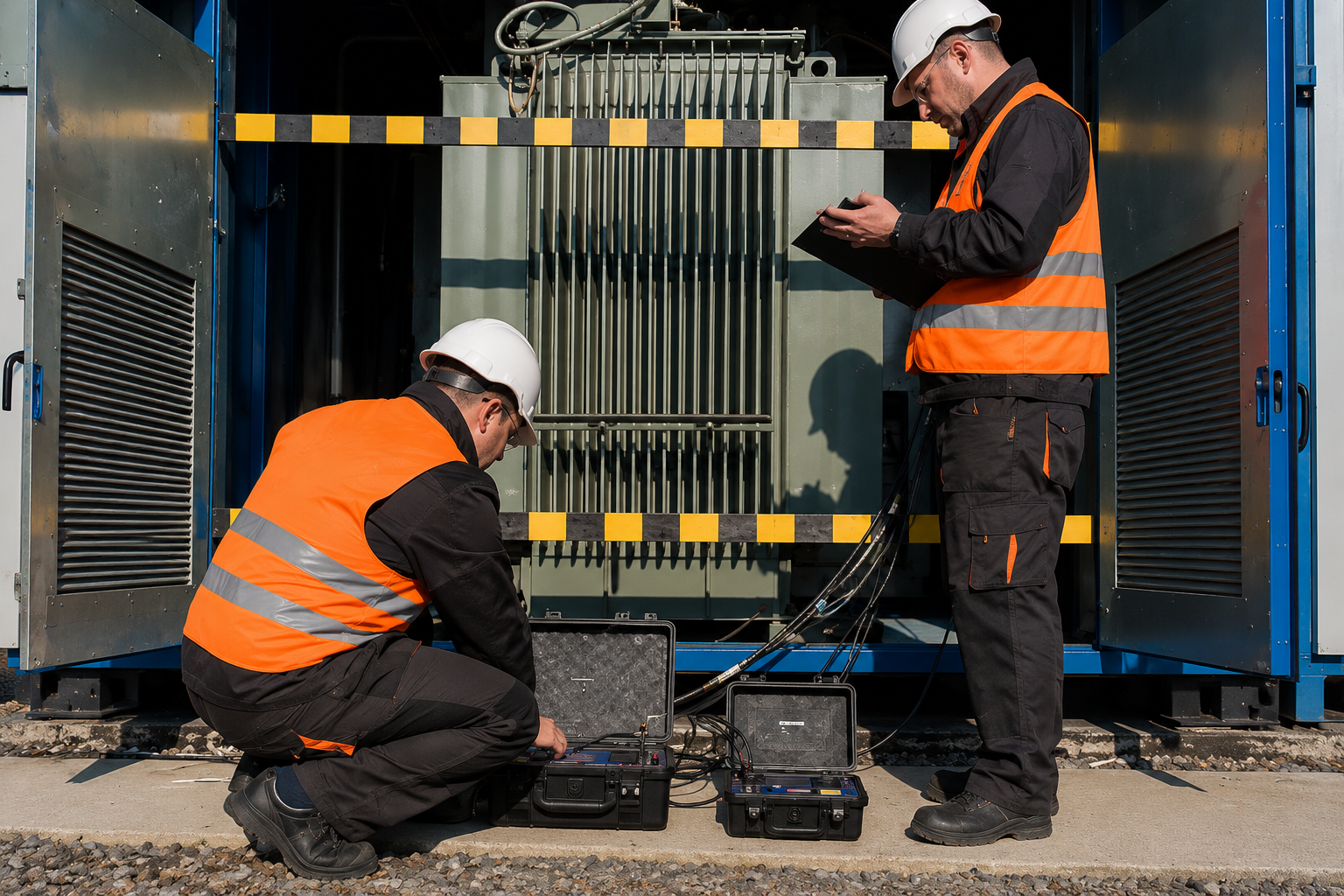
Provide ongoing technical support during energisation and commercial operation while maintaining long-term compliance with connection requirements.
IEEE 2800-2022
IEEE Std 2800-2022 became mandatory for new interconnection requests under FERC jurisdiction in 2024. It introduced the most significant technical changes for utility-scale renewable energy interconnection. Developers with previous interconnection experience must now meet new project-specific engineering and compliance requirements. The standard does not replace the ISO interconnection process. Instead, it establishes mandatory performance requirements that every inverter-based resource must satisfy before moving from the system impact study to the facility study. Demonstrating compliance is now an essential part of every successful interconnection project.
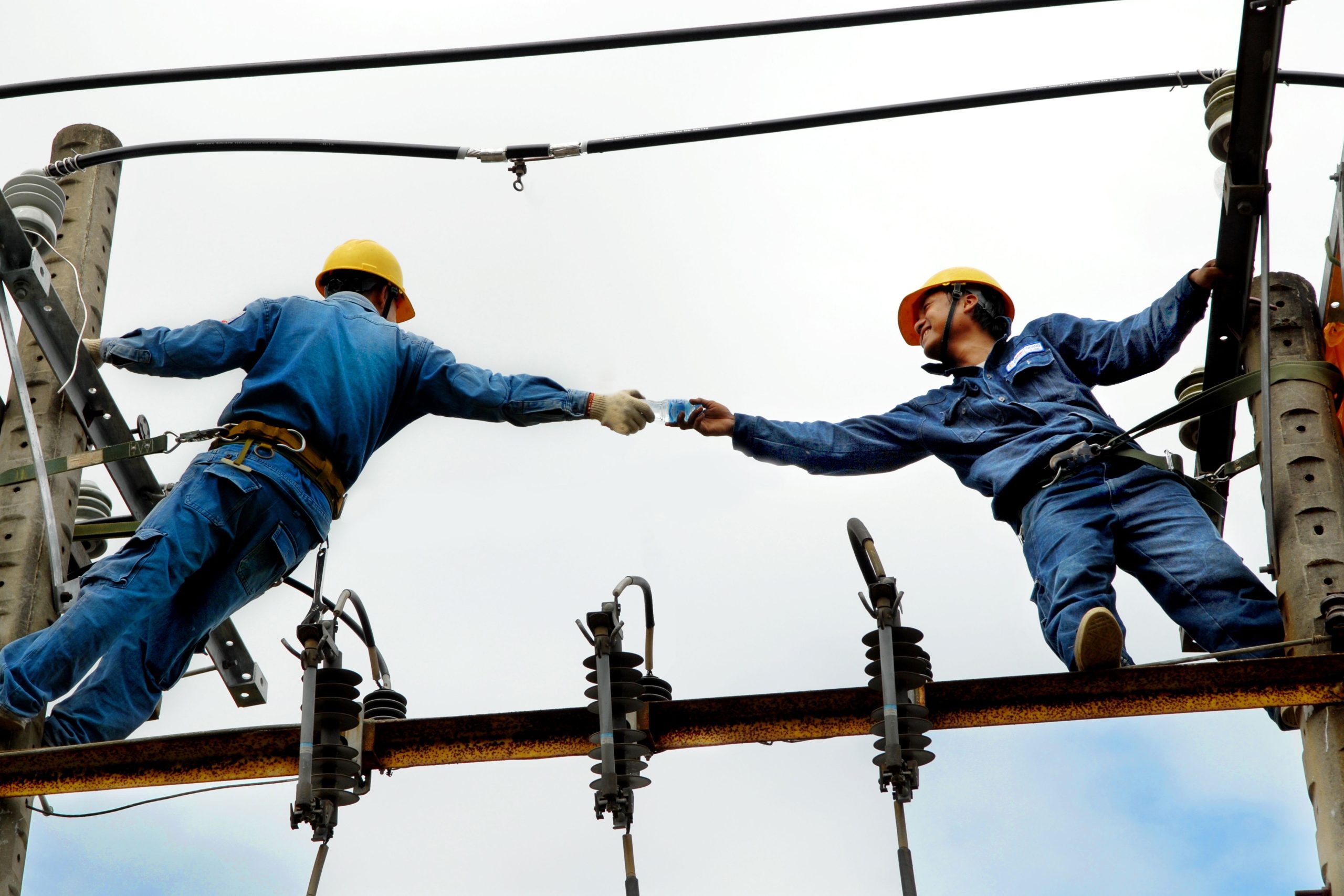
Every ISO and RTO publishes reasons why interconnection applications are rejected, delayed, or returned. Across all regions, the underlying issue is the same: engineering that does not meet grid requirements at the point of interconnection.
These are common interconnection failures, not rare exceptions. Even a small engineering issue can delay a large renewable project by months, making the cost of prevention far lower than the cost of correcting mistakes later. Learn more about our power system studies that support interconnection applications.


A 150MW wind project in MISO secured its queue position and began the system impact study. The study identified a $47 million network upgrade caused by a substation short circuit constraint that had not been addressed during the pre-application assessment. The developer had to accept the upgrade cost, reduce the project size, or withdraw. They modified the project, delaying the interconnection agreement by 14 months.

A 120MW solar project in PJM submitted its interconnection application, but the one-line diagram included a protection scheme that did not meet PJM's Manual 14G requirements. The application was returned during the completeness review, causing the developer to lose the original queue position date and wait for the next available study window.
American Power Engineers provides grid connection consulting in every major grid market across three continents. Each market has its own regulatory framework, application process, study requirements, and timeline dynamics. Our cross-market experience ensures that the advisory we provide in any one market is informed by lessons learned in all of them

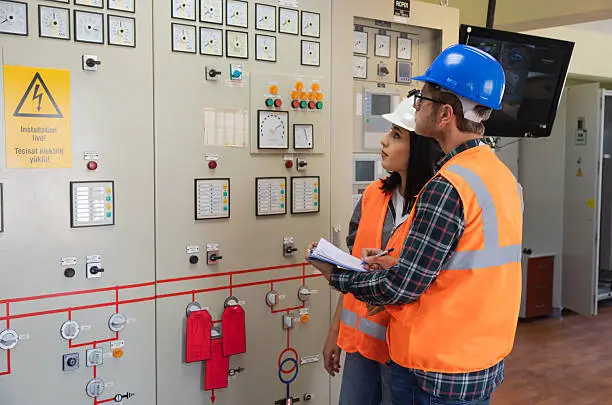
The interconnection application determines your position in the queue. Incomplete or incorrect submissions can lead to rejection, lost queue priority, and project delays. We prepare complete applications with one-line diagrams, site plans, equipment lists, protection philosophy, and all ISO-required engineering data.

Every utility-scale project requires an accurate dynamic model for ISO studies. We develop and validate models in PSS®E, DIgSILENT PowerFactory, and PSCAD, ensuring project data accurately supports power flow, stability studies, and reliable interconnection decisions.

ISO feasibility, system impact, and facility studies determine technical requirements and network upgrades. We review study results, evaluate modelling assumptions, identify technical concerns, and prepare engineering responses that support reliable project outcomes.
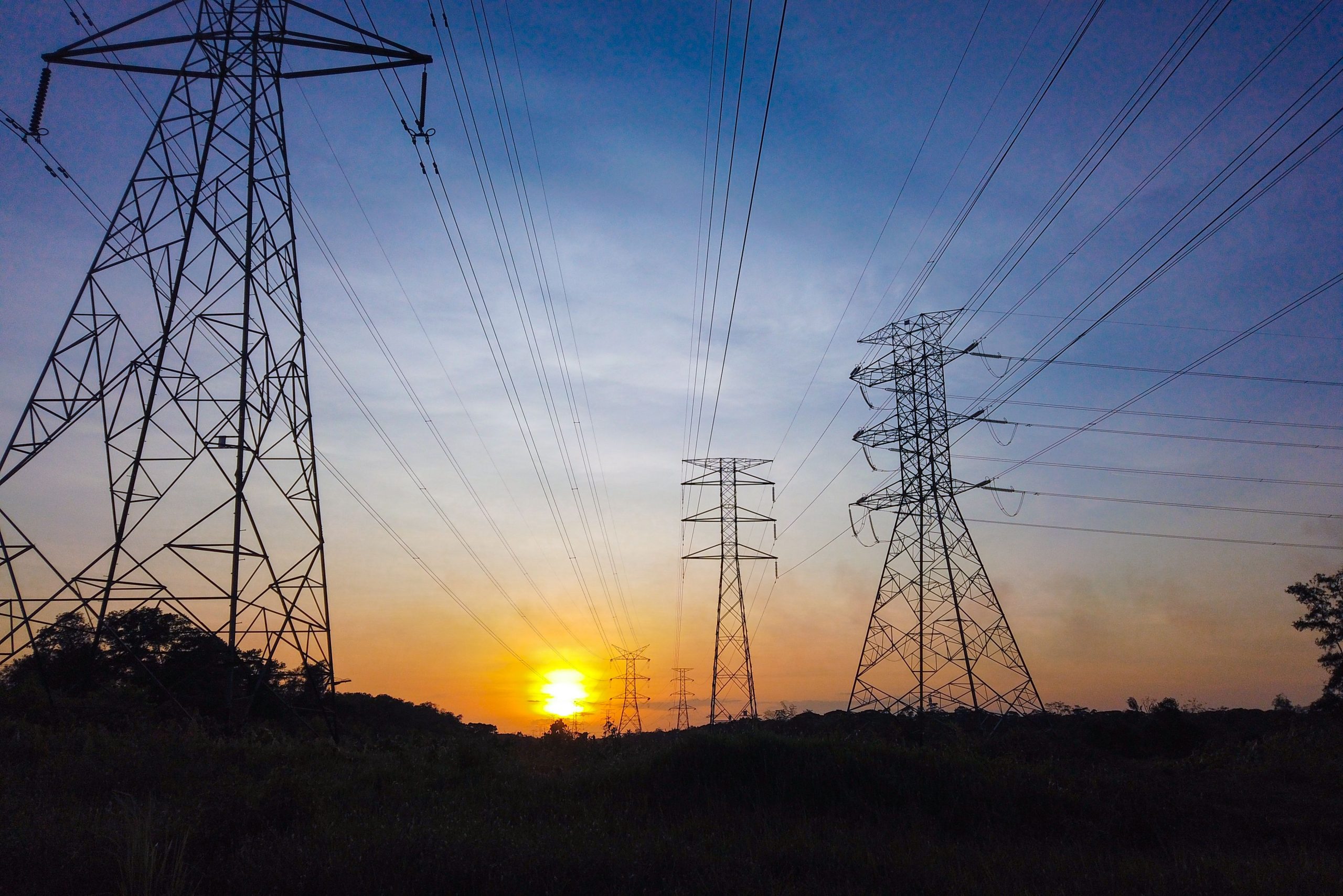
The Point of Interconnection must satisfy utility and ISO engineering requirements. We prepare complete POI design packages covering transformers, protection systems, metering equipment, switching devices, and IEEE 2800-2022 technical compliance requirements.

IEEE 2800-2022 defines mandatory performance standards for inverter-based resources. We prepare project-specific compliance packages, including performance calculations, dynamic model validation, protection coordination, and engineering support for FERC requirements.

Interconnection agreements include technical requirements that affect long-term project operation. We review every technical exhibit, identify engineering obligations, and prepare documentation that accurately reflects the project's capabilities before execution.
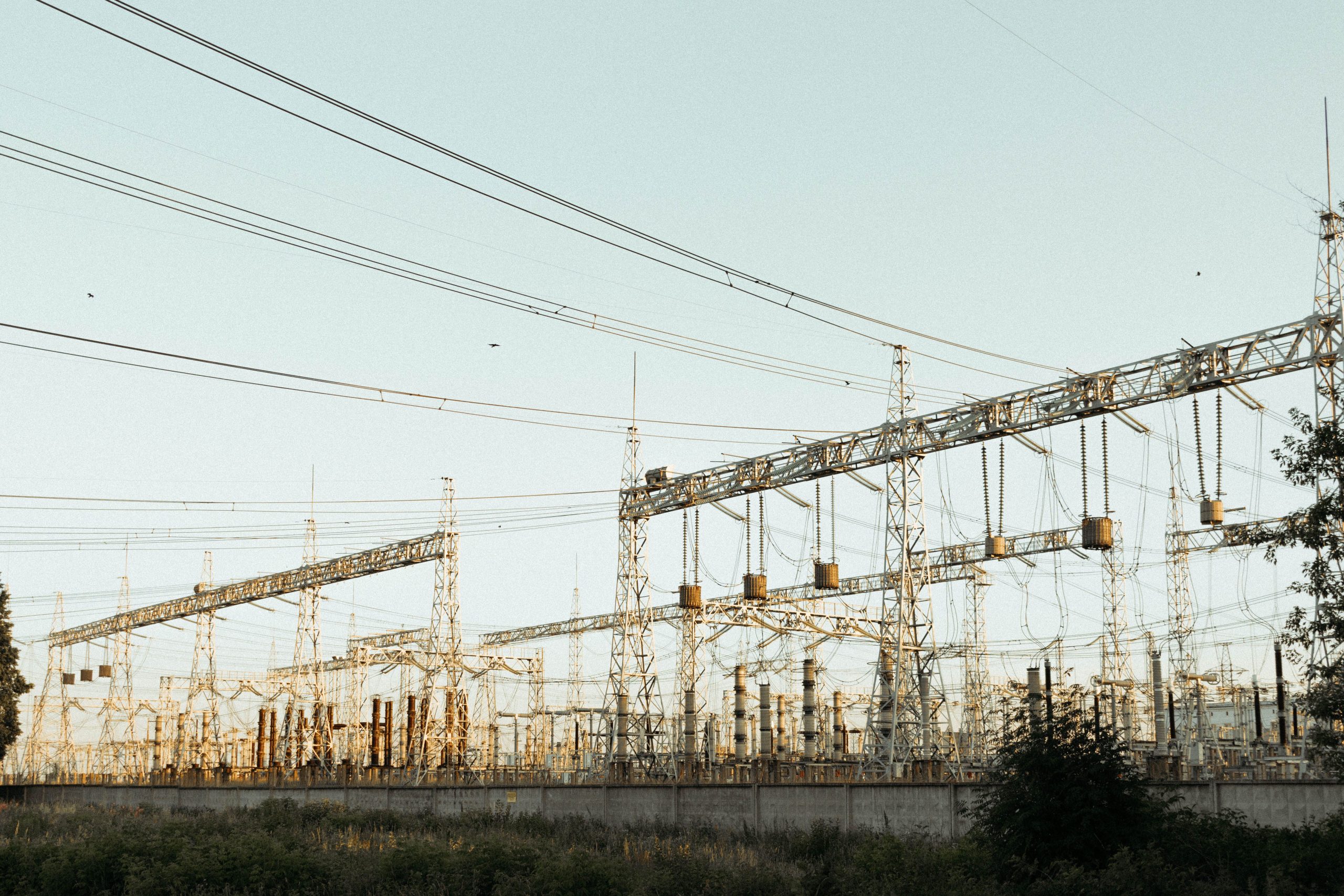
Large facilities such as data centers, hydrogen plants, and industrial loads require specialised interconnection engineering. We support projects from 50MW to 1,000MW+ across major ISO regions with engineering tailored to large-load requirements.
IEEE Std 2800-2022 became mandatory for new interconnection requests under FERC jurisdiction in 2024. It introduced the most significant technical changes for utility-scale renewable energy interconnection. Developers with previous interconnection experience must now meet new project-specific engineering and compliance requirements. The standard does not replace the ISO interconnection process. Instead, it establishes mandatory performance requirements that every inverter-based resource must satisfy before moving from the system impact study to the facility study. Demonstrating compliance is now an essential part of every successful interconnection project.
AEMO NEM
QLD, NSW, VIC, SA, TAS
AEMO + TNSPs
NER Chapter 5
NER S5.2
Feasibility energisation Connection applications, GPS compliance, works offer evaluation, registered parameter management.
AEMO NEM
QLD, NSW, VIC, SA, TAS
AEMO + TNSPs
NER Chapter 5
NER S5.2
Feasibility energisation Connection applications, GPS compliance, works offer evaluation, registered parameter management.
7.3$
IBR must remain connected during voltage disturbances within the required ride-through envelope. Compliance must be validated using the installed inverter model and firmware version.
7.4$
Projects must remain connected during over-frequency and under-frequency events. Plant controls must maintain the required ride-through performance without unnecessary tripping.
7.5$
Reactive power must be demonstrated at the Point of Interconnection rather than at the inverter terminals, ensuring compliance with the required power factor range.
7.6$
Projects must provide frequency response, droop control, and active power ramp rate performance under all operating conditions specified by the ISO.
8$
Protection systems must coordinate with IEEE 2800-2022 ride-through requirements. Protection settings must also satisfy the standard's no-trip operating zone.
9$
Dynamic models or factory test data must validate project performance. Compliance is based on project-specific testing rather than manufacturer documentation.
10$
Projects must provide real-time monitoring data at the POI. Communication systems must comply with the ISO's SCADA interface requirements.
Use the official IEEE reference to review the complete technical requirements for IEEE Std 2800-2022.
Every Independent System Operator (ISO) follows its own interconnection procedures, study timelines, and technical requirements. Understanding these differences early helps developers prepare stronger applications, minimize delays, and better manage project costs under today’s cluster-based interconnection process.


Review the major interconnection procedures followed across North America’s leading Independent System Operators.
Texas Independent System Operator.
PJM Interconnection.
California Independent System Operator.
New York Independent System Operator.
Midcontinent Independent System Operator.
Southwest Power Pool.
ISO New England.
Before submitting an interconnection application, the Point of Interconnection (POI) should be evaluated against existing grid conditions. Engineers analyze short circuit levels, available fault current, voltage performance during contingencies, and network constraints that could increase upgrade costs. Identifying a constrained POI early allows developers to consider alternative connection points before investing in study deposits and securing a queue position.
Reactive power capability is evaluated at the Point of Interconnection rather than only at inverter terminals. Transformer impedance, voltage support requirements, and power factor performance all influence ISO acceptance. Early analysis helps identify transformer adjustments needed before the application is submitted.
Every engineering decision made before and during the interconnection process directly affects queue outcomes, study timelines, and project costs. Evaluating the Point of Interconnection (POI), developing accurate dynamic models, coordinating protection systems, and verifying reactive power capability help reduce engineering risks and avoid costly redesigns. A proactive engineering approach improves compliance with utility, ISO, IEEE 2800, and NERC requirements while increasing the likelihood of a successful interconnection study and project approval.

Projects were studied individually based on their queue position. Each project moved through the interconnection process one at a time, often creating long delays and repeated restudies whenever earlier projects changed or withdrew.
Applications required only basic project information. Missing documentation or technical deficiencies could often be corrected after the study process had already begun.
Developers could withdraw projects with relatively low financial exposure, encouraging speculative applications that often slowed the overall interconnection process.
Developers had limited visibility into the assumptions, engineering models, and study results used for other projects within the interconnection process.
Projects are now evaluated together in annual or bi-annual cluster windows. Network upgrades are assessed across multiple projects, creating a more coordinated study process while improving overall queue efficiency.
Applications must now meet a much higher completeness standard before entering the queue. Incomplete submissions are rejected and must wait for the next application window, resulting in the loss of queue position.
Order 2023 increases withdrawal deposits and financial penalties to discourage speculative queue positions and improve commitment from active project developers.
Developers now have greater access to cluster study assumptions and supporting information, allowing better planning, engineering decisions, and project risk evaluation.